

If rain puddles on your lawn instead of soaking in, if the grass looks thin in the spots where everyone walks, or if moss keeps creeping in, the soil underneath is probably packed too tight. Aerating fixes that, and it is one of the simplest jobs in lawn care.
What aerating actually does
Aerating means making small holes in the turf so air, water and nutrients can reach the roots again. Over time, foot traffic, kids at play, mowing and heavy rain press the soil together. Roots then stay shallow, water runs off and the fertilizer you spread never gets where it is needed. A few rows of holes give the roots room to grow deeper, which makes the grass tougher in dry spells and better at recovering from wear.
Signs your lawn needs it
- Water stands on the lawn after rain or runs off instead of soaking in.
- The grass is thin or patchy where people walk most.
- Moss and weeds are moving in faster than the grass can fill the gaps.
- Fertilizer seems to make little difference.
Stronger grass, fewer weeds and less moss
A weak lawn leaves gaps, and moss and weeds are quick to fill them. Once the roots can breathe and feed properly, the grass grows thicker and greener and closes those gaps on its own. Nitrogen, phosphorus and potassium from your feed actually reach the roots instead of sitting on top of hard ground. The result is a dense lawn that leaves little room for anything else.
When to aerate
Fall and early spring are the best times. In fall, aerating helps a lawn that has been through a dry or busy summer take up water and nutrients before winter. In early spring, it gives new growth a good start for the season. Aerate when the soil is moist but not soaked, and avoid frozen or bone-dry ground.


By hand or by machine
For a large lawn, a gas or electric core aerator that pulls out plugs of soil gets the job done quickly. For most home lawns, a manual aerator is all you need, and it gives you full control over where you work. With a walk-behind model you simply push it across the grass and it spikes the soil with every turn.
There is a bonus for you, too. Walking your lawn with an aerator is steady, gentle exercise in fresh air, and a well-balanced tool keeps it from feeling like hard labor.
The tool for the job
The Sneeboer Soil Aerator is forged from stainless steel and built to last for decades. You walk it across the lawn at your own pace, and the soil gets the air it needs without heavy machinery or noise.
-
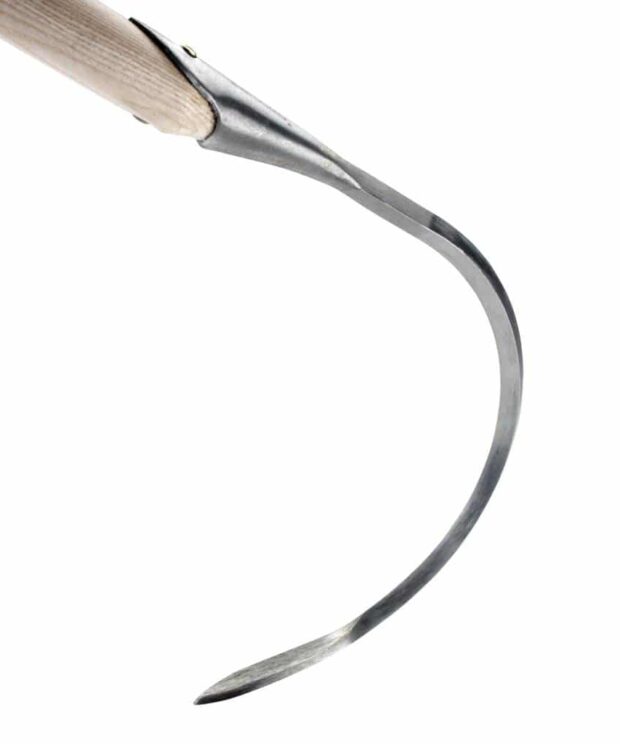 Soil Aerator$ 154.00

A little time with an aerator in fall or spring pays off all season: deeper roots, fewer puddles and a lawn that stays green when others start to struggle.
Tools for life and generations to come.